JST Connectors Explained: SH, ZH, PH and XH Sizes and How to Identify Them
This page contains affiliate links. We may earn a commission at no extra cost to you.
On this page
Small white plastic connectors turn up on almost everything in the maker world: drone flight controllers, 3D printer boards, lithium battery balance leads, sensor breakouts and LED strips. People call them all "JST", but JST is a Japanese manufacturer with dozens of connector series, and the common ones are not interchangeable. Buying the wrong size is easy, and the difference between them can be half a millimeter. This guide covers the four series you are most likely to meet and how to tell them apart.
What "JST" actually means
JST (Japan Solderless Terminal) makes wire-to-board connectors in many series, each with its own pitch, housing shape and current rating. The hobby market uses the brand name loosely, and many of the connectors you buy are compatible clones rather than genuine JST parts. That is normally fine for hobby use, but clone quality varies, so fit can be tighter or looser than the original.
The key number is the pitch: the distance from the center of one pin to the center of the next. The series name tells you the pitch and the housing style.
The four common series
| Series | Pitch | Typical current | Where you will see it |
|---|---|---|---|
| SH | 1.0 mm | About 1 A | Drone flight controllers, Qwiic and STEMMA QT sensor boards, small cameras |
| GH | 1.25 mm | About 1 A | Pixhawk-style flight controllers, some telemetry radios |
| ZH | 1.5 mm | About 1 A | Small brushless motor sensors, compact modules, some battery leads |
| PH | 2.0 mm | About 2 A | Small LiPo batteries, many dev boards, speakers and fans |
| XH | 2.5 mm (often sold as 2.54 mm) | About 3 A | LiPo balance leads, 3D printer endstops and fans, LED strips |
Current ratings are approximate and depend on the wire gauge and the quality of the crimp. Treat them as an upper limit, not a target.
SH (1.0 mm)
The smallest common series. SH connectors are tiny, with a low-profile housing and a friction lock. They are used for I2C sensor chains (the Qwiic and STEMMA QT ecosystems use 4-pin SH), flight controllers and cameras. They are almost impossible to crimp by hand, so pre-crimped leads are the practical choice.
ZH (1.5 mm)
Slightly larger than SH and still compact. ZH appears in small motors, some gimbal and camera modules, and miniature battery packs. It looks similar to PH in photos, so always check the stated pitch.
PH (2.0 mm)
Probably the most common "JST" on small single-cell LiPo batteries and microcontroller boards with a battery connector. The 2-pin PH battery plug is standard on many boards, but polarity is not: some batteries are wired the opposite way to some boards.
Always check battery polarity before plugging a LiPo into a board with a PH connector. Red and black wires are not guaranteed to match the board's markings, and reversed polarity can destroy a board or damage the cell. Use a multimeter if in doubt.
XH (2.5 mm)
The largest of the four, with a sturdy housing and a positive latch. It is used for LiPo balance leads, where the pin count is the cell count plus one (a 3S battery has a 4-pin XH balance plug). XH is also common on 3D printer controllers. It is often listed as 2.54 mm because that is close to the 0.1 inch pitch of standard headers, but the real figure is 2.5 mm. Over a few pins the difference does not matter; over many pins it can.
How to identify the pitch
- Count the pins and measure across the outer pins with calipers, center to center. Divide by the number of gaps (pins minus one). For example, a 6-pin connector measuring 5.0 mm across has a 1.0 mm pitch, so it is SH.
- Check the board. Board silkscreens, schematics and product pages often name the connector series directly.
- Compare with a reference. A standard 0.1 inch pin header has 2.54 mm pitch. If the connector pins line up with a header, it is probably XH. If they are clearly tighter, it is PH or smaller.
- Look at the latch. XH has a raised ramp latch on the housing; PH has a lower profile; SH and GH are tiny and often have a small locking tab.
A cheap set of digital calipers is the single most useful tool for this job. Measuring across several pins and dividing gives a much more accurate result than trying to measure one gap.
Crimping vs pre-crimped kits
You can buy empty housings, loose crimp terminals and a ratcheting crimp tool and make leads to any length. That is economical in the long run, but there is a learning curve, and SH and ZH terminals are fiddly even with a good tool. A poor crimp causes intermittent faults that are hard to trace.
Pre-crimped kits give you ready-made leads: a housing on one or both ends and a length of wire with terminals already attached. Common options include:
- Single-series packs in a given pin count and length, for example ten 4-pin SH leads at 10, 20 or 30 cm.
- Mixed kits with several series (SH, GH, ZH, PH and XH) and matching male headers, useful if you work with lots of different boards.
- Male and female pairs for in-line connections, such as extending a sensor lead.
When ordering, check three things: the series and pitch, the pin count, and whether the listing is for the housing with wires, the board-side header, or both. Wire gauge matters too; very thin wire on a lead that powers motors or LEDs will get warm. If you are building LED projects, our LED matrix panels guide explains how much current your power leads need to carry.
Practical tips
- Pull on the housing, never the wires. SH and ZH housings are easy to rip off their terminals.
- Keep a small labeled box of each series and pin count you use regularly.
- Do not force a connector into a header of the wrong pitch. It may seem to fit on two or three pins and then bend the header pins or give poor contact.
- For high-current battery leads, use connectors designed for power, such as XT30 or XT60, rather than PH or XH.
The kits below ship from marketplace sellers, often in one to three weeks. Check seller ratings and return policies, and confirm the pitch and pin count in the variant you select. For another hands-on project area, try our first SDR buying guide.
Listings to consider

Mixed JST lead kit (SH, GH, ZH, PH, XH)
Mixed projectsSets of pre-crimped female housings with wire leads plus matching male pins, offered in SH 1.0, 1.25 mm, ZH 1.5, PH 2.0 and XH 2.54 sizes and many pin counts. Handy if you work across drones, printers and dev boards. Each variant is a single series and length, so choose the pitch and pin count carefully when ordering.
Listing: 10Set SH1.0 1.25 ZH1.5 PH2.0 XH2.54 Connector Female Housing 10/20/30cm Wire Cable+Male P…

JST SH 1.0 mm pre-crimped leads
Sensors, flight controllersPacks of ten pre-crimped SH 1.0 mm leads in 2 to 12 pin versions and 10, 20 or 30 cm lengths. They suit Qwiic or STEMMA QT sensor chains, flight controllers and small cameras, where hand crimping is impractical. Check whether the leads are single-ended or double-ended, and confirm pin order on both ends before use.
Listing: 10PCS JST SH1.0 SH 1.0mm Wire Cable Connector 2/3/4/5/6/7/8/9/10/12 Pin 1.0MM Pitch Plug …
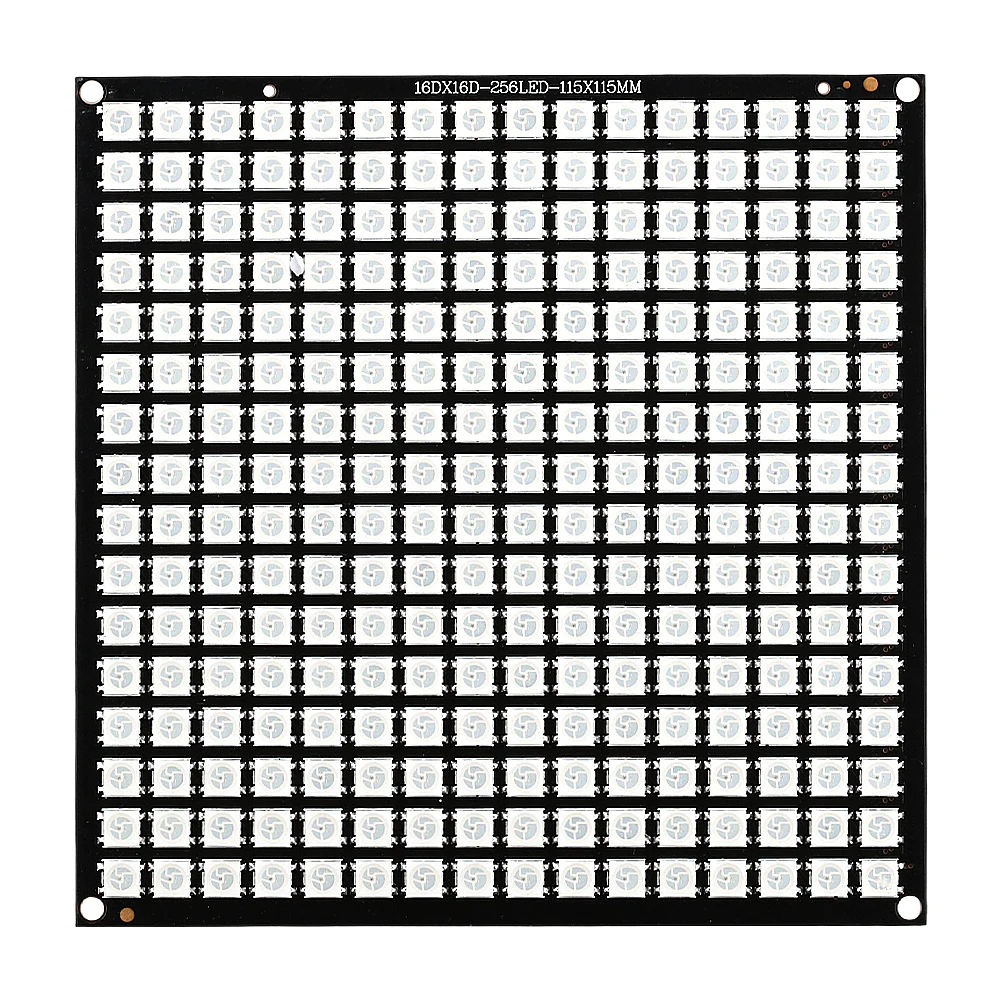
WS2812 16x16 matrix (project board)
First LED projectA 16 x 16 addressable RGB matrix that makes a good first project for your new leads. Boards like this usually come with 3-pin input and output leads, which are often a larger locking connector than the series above, so check the listing photos and plan your adapter leads. It needs a solid 5 V supply.
Listing: WS2812 LED Matrix Panel Module 16x16 256 Pixels Full Color Changing Addressable RGB Light…