Your First SDR: RTL-SDR Blog V4 vs HackRF One, Antennas, LNAs and Bias Tees
This page contains affiliate links. We may earn a commission at no extra cost to you.
On this page
A software defined radio (SDR) turns a computer into a wideband receiver. Instead of a box full of tuned circuits, a small USB dongle digitizes a slice of the radio spectrum and software on your PC or Raspberry Pi does the demodulation. With one inexpensive device you can listen to aircraft, track ships, decode weather satellite images, watch the FM band on a waterfall display and explore shortwave. This guide helps you choose a first SDR and the few accessories that make the biggest difference.
What an SDR does
An SDR receiver has a tuner that shifts a chunk of spectrum down to a lower frequency, and an analog-to-digital converter that samples it. Free programs such as SDR++, SDR# (SDRSharp), GQRX and SDRangel display that chunk as a spectrum and waterfall and let you demodulate AM, FM, SSB and digital modes. Dedicated decoders handle ADS-B aircraft positions (dump1090), AIS ship tracking, APRS, pagers and weather satellites.
RTL-SDR Blog V4: the best first receiver
The RTL-SDR family began with cheap TV tuner dongles based on the Realtek RTL2832U chip. The RTL-SDR Blog V4 is a purpose-designed version with improvements that matter:
- R828D tuner covering roughly 24 MHz to 1.7 GHz directly, with an improved HF upconverter so it receives shortwave (below about 28 MHz) without hacks.
- 1 PPM TCXO, a temperature-compensated oscillator, so frequencies stay accurate and narrow digital signals do not drift.
- Built-in bias tee that can be switched on in software to power an LNA or active antenna through the coax.
- SMA connector, metal case and better filtering than generic dongles.
The V4 is receive-only, with about 2.4 MHz of usable bandwidth at a time and 8-bit sampling. That is plenty for almost every beginner use. Note that the V4 needs up-to-date drivers; older RTL-SDR software builds may not recognize it.
Many clones are sold as "RTL-SDR" with different tuners, no TCXO or poor shielding. If you want the genuine RTL-SDR Blog V4, check the listing photos for the branded case and the R828D and TCXO in the description, and choose a seller with a strong rating.
HackRF One: wider coverage and transmit capability
The HackRF One is an open-source SDR covering about 1 MHz to 6 GHz with up to 20 MHz of bandwidth. It can also transmit, which makes it popular with security researchers and experimenters.
- Pros: very wide frequency range, wide bandwidth for viewing whole bands, and half-duplex transmit for licensed or lab use.
- Cons: 8-bit sampling with a fairly basic front end, so it is often less sensitive and more prone to overload than an RTL-SDR at the frequencies they share. It also costs several times more.
Many HackRF units sold online are clones or derivatives of the original Great Scott Gadgets design, sometimes with extras such as a case or a screen running alternative firmware. Quality varies.
Receiving is legal in most places, although some countries restrict listening to certain services or sharing what you hear. Transmitting is different: you need an appropriate license (such as an amateur radio license) and must stay within its frequencies and power limits. Never transmit on aviation, emergency or cellular bands.
Which should you buy first?
| RTL-SDR Blog V4 | HackRF One | |
|---|---|---|
| Coverage | About 500 kHz to 1.7 GHz (HF via upconverter) | About 1 MHz to 6 GHz |
| Bandwidth | About 2.4 MHz | Up to 20 MHz |
| Transmit | No | Yes (license required) |
| Best for | Learning, ADS-B, FM, airband, weather satellites, shortwave | Wideband exploration, 2.4 and 5.8 GHz, RF experiments |
For most people the RTL-SDR Blog V4 is the right first SDR. Buy a HackRF later if you outgrow it and need frequencies above 1.7 GHz, wider bandwidth or transmit for licensed work. Other options worth knowing about include the Airspy and SDRplay ranges, which offer better dynamic range at a higher price.
Antennas matter more than the radio
The small telescopic antennas included with many dongles are fine for testing, but a better antenna, placed outdoors or high up, will make more difference than any receiver upgrade.
- Dipole kits with adjustable elements are a good general start for VHF and UHF.
- Purpose-built antennas such as a 1090 MHz antenna for ADS-B or a V-dipole for weather satellites give big improvements for one job.
- Active antennas for HF, such as the MiniWhip, are compact. A MiniWhip is a small powered probe that responds to the electric field and covers roughly VLF up to about 30 MHz. It needs DC power through the coax, works best mounted away from the house on a grounded mast, and can pick up a lot of local electrical noise if placed indoors.
LNA and bias tee basics
A low noise amplifier (LNA) boosts weak signals before they travel down the coax to the receiver. It helps most when it is mounted at the antenna end of a long cable run, because it overcomes cable loss. An LNA placed right next to the dongle helps less and can overload the receiver if strong local signals, such as FM broadcast or cellular towers, are nearby. A filter in front of the LNA often helps more than extra gain.
A bias tee injects DC power onto the coax so you can power an LNA or active antenna at the far end without running a separate cable, while passing the radio signal through. The RTL-SDR Blog V4 has one built in. For radios without a bias tee, such as some receivers and spectrum analyzers, an external bias tee sits in line and takes power from a separate DC supply.
Never enable a bias tee when the antenna connector is shorted to DC, such as on some loop or folded dipole antennas. It can damage the bias tee or the radio. Check that your antenna or amplifier expects power on the coax first.
Getting started
- Install SDR++ or SDR# and the correct driver for your dongle.
- Tune to the FM broadcast band to confirm everything works.
- Try airband (around 118 to 137 MHz AM) and ADS-B at 1090 MHz.
- Upgrade the antenna for the signals you enjoy most.
The items below ship from marketplace sellers, often in one to three weeks. Check seller ratings and return terms, especially for SDRs, where clones are common. If you are also into electronics projects, our JST connectors guide and EMF meters and Geiger counters guide cover other areas of hobby measurement and building.
Listings to consider

RTL-SDR Blog V4 dongle
First SDRThe RTL-SDR Blog V4 with R828D tuner, 1 PPM TCXO, SMA connector and built-in bias tee, sold as the dongle only. It is the best starting point for airband, ADS-B, weather satellites and shortwave. You will need your own antenna, and it requires current drivers, so update your SDR software before plugging it in.
Listing: RTL-SDR Blog RTL SDR V4 R828D RTL2832U 1PPM TCXO SMA Software Defined Radio Dongle Only
H2 HackRF One-style SDR
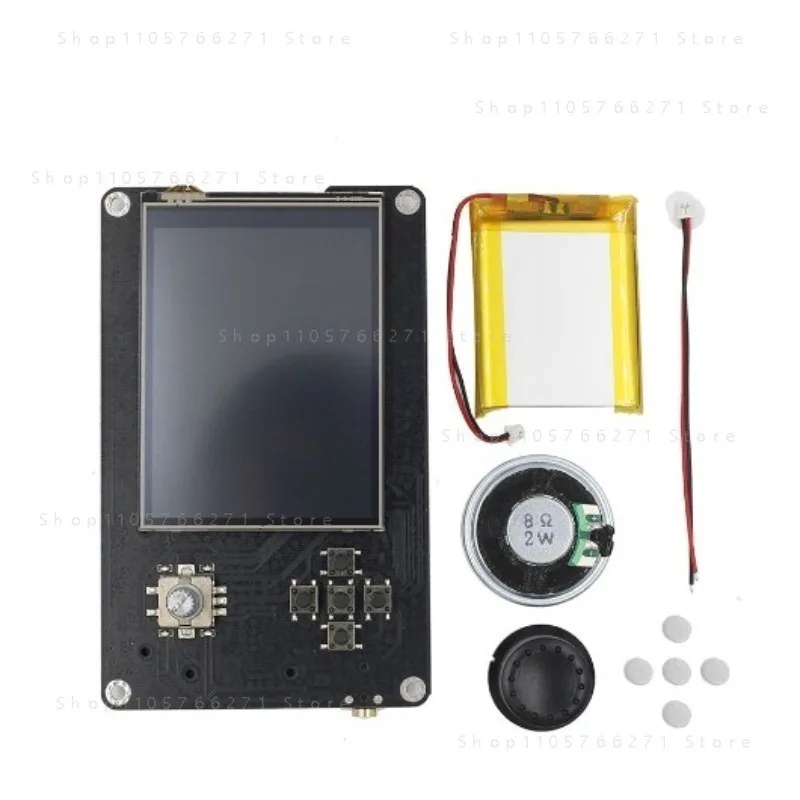
Wideband, transmitA HackRF One-style SDR covering 1 MHz to 6 GHz with wide bandwidth and transmit capability. It suits experimenters who need higher frequencies or wideband viewing. Units like this are often clones of the open-source design, so quality varies, and transmitting requires an appropriate license. Beginners usually get better reception from an RTL-SDR.
Listing: H2 Hackrf One SDR Software Defined Radio 1MHz-6GHz

MiniWhip active HF antenna
Shortwave listeningA compact active antenna for roughly 10 kHz to 30 MHz, covering VLF, LF and shortwave. It suits SDR owners with little room for a long wire. It needs DC power over the coax (from a bias tee or the supplied feed), and it performs best mounted outdoors away from household electrical noise.
Listing: Shortwave MiniWhip Active Antenna 10KHZ to 30MHZ Mini Whip HF LF VLF VHF SDR RX with Port…

HAMGEEK MT1129 LNA
Weak signalsA low noise amplifier based on the TQP3M9037 for SDRs, spectrum analyzers and TEF6686 receivers. It helps most when mounted near the antenna on a long coax run. Too much gain can overload a receiver near strong FM or cellular transmitters, so add filtering if you see spurious signals.
Listing: HAMGEEK MT1129 Low Noise Amplifier TQP3M9037 LNA for SDR Radio Receiver Spectrum Analyzer…
Bias tee 10 MHz to 10 GHz
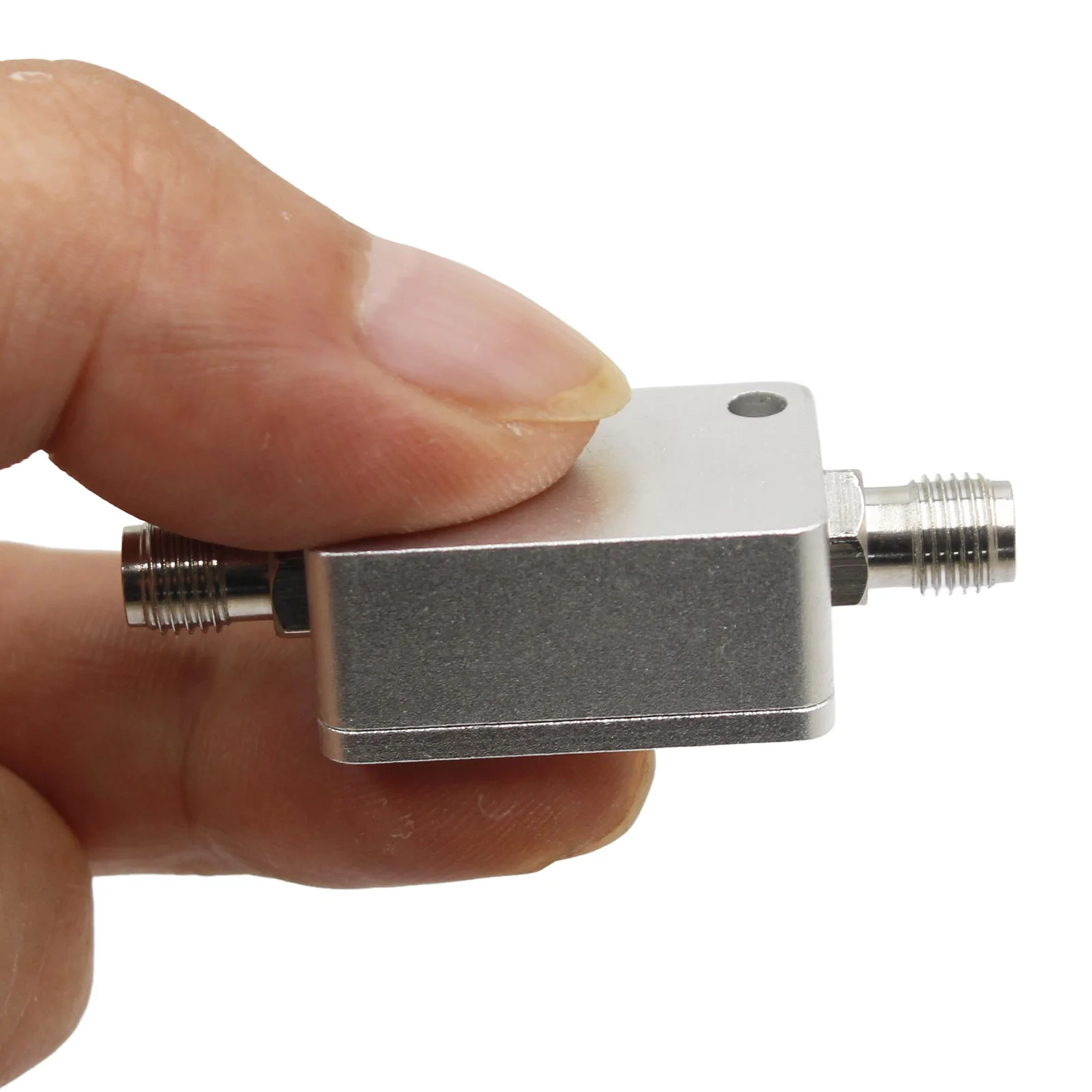
Powering LNAsAn aluminum-cased bias tee that injects DC up to 50 V and 0.4 A onto coax from 10 MHz to 10 GHz. It lets you power a remote LNA or active antenna from radios without a built-in bias tee. Note the 10 MHz lower limit makes it a poor match for HF antennas such as the MiniWhip.
Listing: RF DC Injector Bias Tee 10MHz 10GHz Coaxial for SDR for Amateur Radio 50V 0.4A Aluminum S…